
The Failed Vow of Respectability
Berlin AlexanderplatzThis thread follows Franz Biberkopf’s attempt to begin again as an honest man and the successive blows that expose how little his private resolve can control.
increasing Bearing strength in each event
 decreasing
Bearing strength in each eventdecreasingRelease from Tegel
Release from Tegel
A frightening freedom
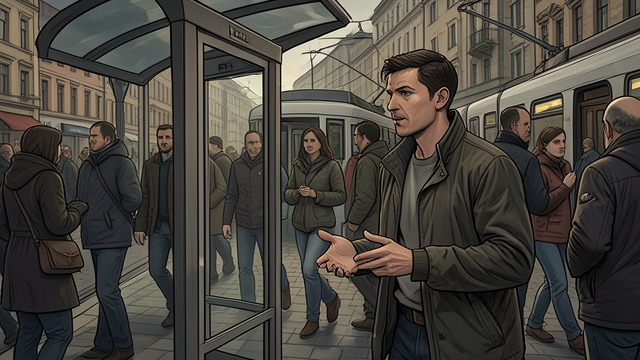
Franz Biberkopf leaves Tegel penitentiary after serving his sentence for the assault that killed Ida. At first he cannot make himself board the tram or face Berlin’s crowded streets; the familiar prison walls seem safer than the world beyond them.
A first encounter with dependence
In a Jewish household, Nachum tells him the rise and fall of Stefan Zannovich. The story gives Franz a way to imagine that a man can meet the world with courage, but it does not yet teach him to question his own assumptions. His departure marks a beginning, not a cure.
The Respectability Pledge
The Respectability Pledge
A promise made in recovery
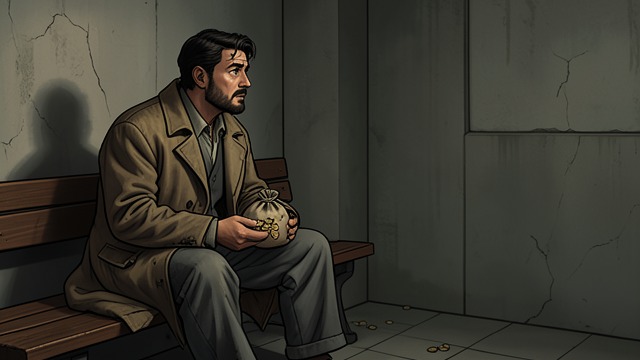
After a brief collapse, Franz regains his appetite and strength. He sees Minna again, leaves her money for veal, and interprets his renewed confidence as proof that he can choose a different life.
Confidence mistaken for security
An official order threatens to expel him from Berlin, but welfare supervision offers a temporary route around the danger. Franz takes the reprieve as confirmation that his vow will hold. His promise is sincere, yet it depends on money, work, and a belief that a decent intention can shield him from events.
Work and the First Betrayal

Work and the First Betrayal
A livelihood in the street
Franz tries itinerant trade before settling into newspaper selling. He takes pride in earning money through his own effort and wants to avoid the political struggles that he regards as other people’s business.
A trust broken
He partners with Otto Lüders, who exploits Franz’s access to a widow’s home and robs her. When Franz learns what happened, he collapses into shock, abandons his room, and hides. The betrayal does not simply cost him money: it reveals that his rule of staying respectable and alone cannot protect him from other people’s choices.
The Arm and the Return to Crime
The Arm and the Return to Crime
An unwanted step into the gang
After recovering from the crisis over Lüders, Franz returns to selling newspapers and rebuilds a life with Mieze. He later accepts work with Pums’s gang, telling himself that he can participate without surrendering his own judgment.
Betrayal made bodily
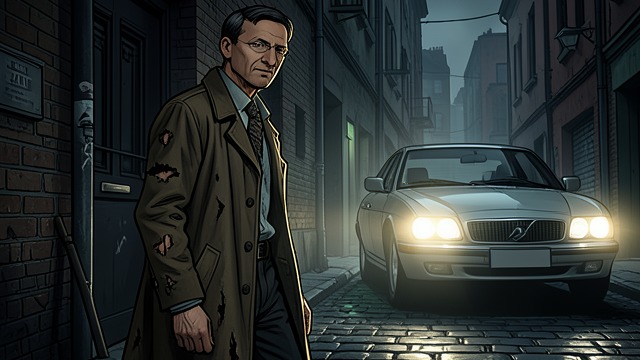
During the gang’s burglary, Franz is ordered to keep watch. The gang’s violence and his own inability to escape culminate in Reinhold throwing him from a moving car; the car runs over him, and surgeons amputate his right arm. His attempt to remain decent has failed again, but he still refuses to identify the men who attacked him.
A New Beginning in Companionship
A New Beginning in Companionship
Rebuilding through dependence
Franz returns to Berlin with one arm and gradually becomes Mieze’s partner. He accepts help from Eva and Herbert Wischow, then drifts back into crime and treats his injuries as reasons to claim money rather than reasons to reconsider the life he is making.
A changed understanding
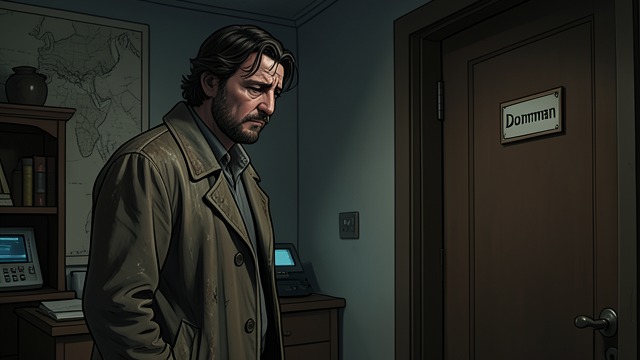
After Mieze’s murder and his breakdown in Buch secure ward, Franz emerges altered. He accepts a modest job as a part-time doorman and concludes that people cannot live safely by isolated strength alone. His new beginning is not a triumph over every hardship; it is a move toward alertness, work, and a life among others.
At the opening, after four years in prison
In the weeks after his release, before Christmas 1927
Around Christmas 1927, followed by the winter of 1927–1928
From Sunday April 8 to Monday April 9, 1928
After his recovery, from summer 1928 to the novel’s ending
